.png)

What are the Eight Traditional Pillars of learning?


Rooted in a living tradition cultivated over centuries, the Eight Traditional Pillars serve as the foundation of many College of Tao courses and programs, offering a comprehensive framework for cultivating wisdom, vitality, health, spiritual understanding, and harmony with the natural world.
Explore each of the pillars below and discover where your journey begins
↓ ↓ ↓


(click on any of the above pillars to be taken to that section)
1. Taoist Philosophy
The Taoist Philosophy pillar, as transmitted by sages including Lao Tzu, Chuang Tzu, Huang Di, Ge Hong, Chen Tuan, and Hui Neng, presents the worldview of Taoism as the understanding that life flows through a natural order called the Tao, or “the Way.” It teaches living in alignment with this flow rather than forcing control, using balance, awareness, and wu wei (effortless action) to move with life instead of against it.


2. Contemplation
This pilar recognizes creativity as a path of cultivation and spiritual practice. Through calligraphy, poetry, painting, music, gardening, floral arrangements, and other contemplative arts, students develop presence, focus, and self-awareness. These creative disciplines transform everyday acts of making into opportunities for reflection, mindfulness, and personal growth.
Explore our educational offerings relevant to this pillar here.
3. Sexual Arts
The Sexual Arts pillar explores Taoist teachings on sexual health and the art of self-preservation. Drawing from classical Taoist wisdom and the teachings of the Integral Way tradition, it views sexual energy as an important aspect of overall vitality and well-being. Students learn principles for cultivating balance, maintaining health, and developing a mindful relationship with intimacy that supports physical, emotional, and spiritual growth


4. Spiritual Arts
Rooted in traditional Taoist ritual and spiritual cultivation, the Spiritual Arts pillar introduces practices that support healing, protection, and transformation. Through invocation, talismanic arts, subtle energetic intervention, divine healing methods, and Five Element practices, students learn to deepen their connection to the unseen dimensions of life and their relationship with the Tao.
5. Nutrition
Viewing food as both nourishment and medicine, the Nutrition pillar teaches how to support health through seasonal eating, food energetics, and personalized nutrition. Drawing on the principles of Yin and Yang, the Five Elements, and individual constitution, students learn how food, herbs, and cooking practices can be used to cultivate balance, vitality, and long-term well-being.

6. Healing Arts
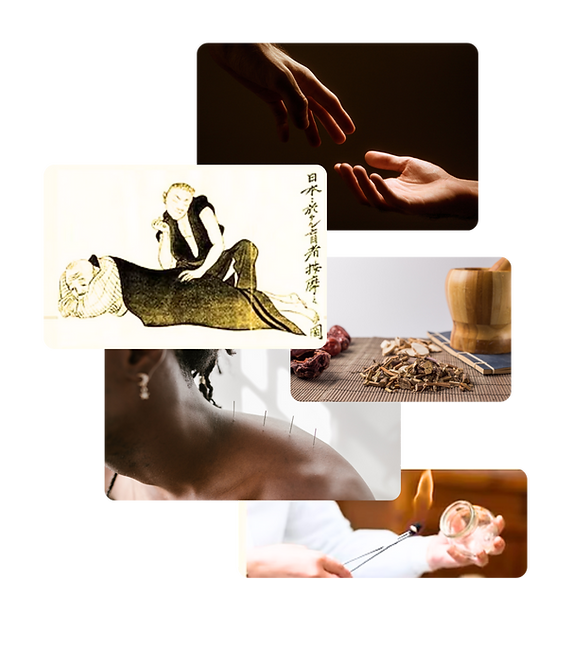
Drawing from centuries of Taoist and Traditional Chinese Medicine wisdom, the Healing Arts pillar offers practical tools for promoting health, vitality, and longevity. Students are introduced to modalities including acupuncture, tuina bodywork, herbal medicine, medical qigong, energy healing, and coaching.
7. Self Cultivation
The Self-Cultivation pillar provides a foundation for personal growth through Taoist meditation and movement arts. Students engage in practices such as qigong, tai chi, dao-in, and bagua, as well as Harmony Tai Chi instrument training with the sword, fan, staff, and sphere. Together with meditation training through the Integral Tao Meditation Institute (ITMI), these disciplines cultivate vitality, balance, self-awareness, mental clarity, and inner resilience.


8. Forecasting
Understanding the subtle patterns that influence life is at the heart of the Taoist Forecasting pillar. Through the study of the I Ching, Feng Shui, Five Element Psychology, astrology, and face reading, you can learn to recognize cycles of change, navigate transitions, and make decisions with greater awareness and perspective.
(click on any of the above pillars to be taken to that section)

What our students say
“Testimonials provide a sense of what it's like to work with you or use your products. Change the text and add your own."
Alexa Young, CA

sign up for our newsletter, event details, free resources & more